
The Comedy of Scrolls: The Effects of Social Media on Mental Health
"Social media isn’t just harmless scrolling. This blog breaks down the effects of social media on mental health, from dopamine hits to scroll fatigue—with humor and honesty"
LIFESTYLE
Push.S
7/26/20245 min read
My post content
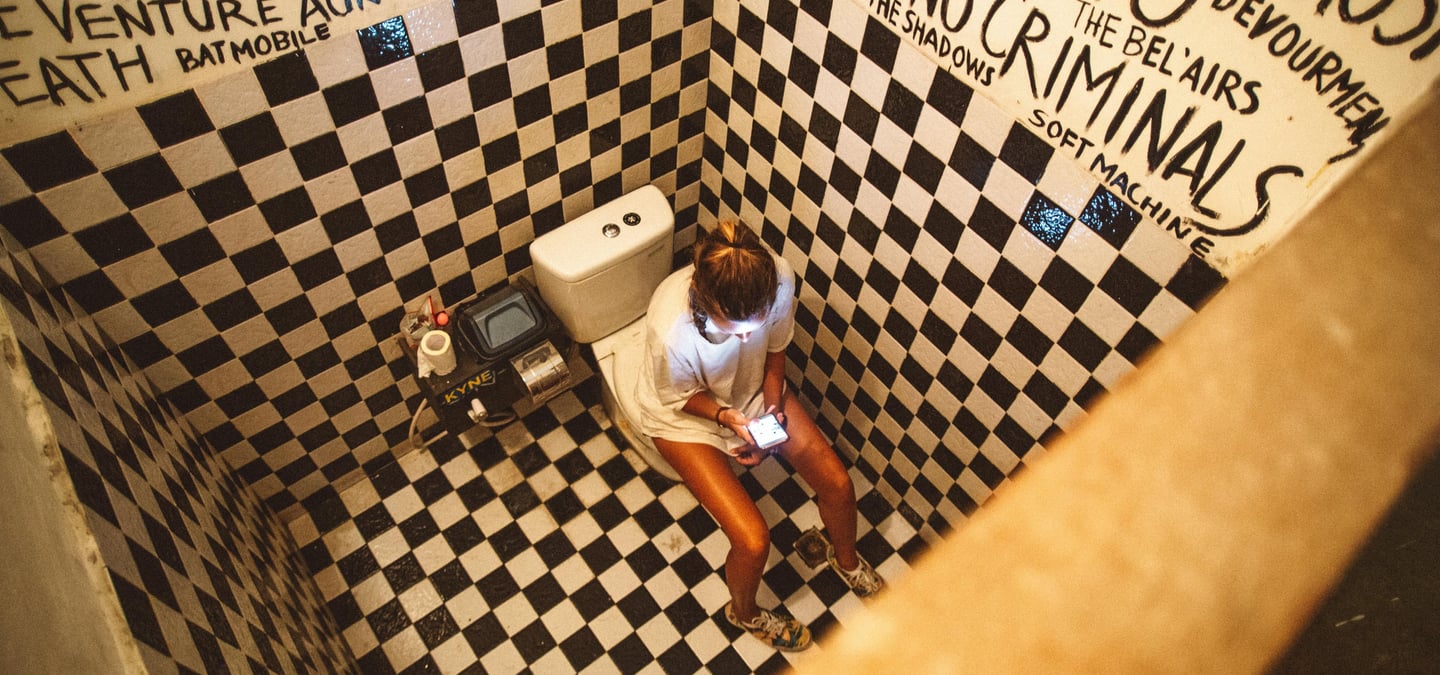

Why I’m Writing This (And Why You’ll Relate)
Well… if you’re reading this, then either you’re a friend who just found out that I started a blog, or a curious soul who somehow wandered onto this page. Either way, I’m pretty sure you’ll relate to what I decided to write about as my very first post.
The most common syndrome we all suffer from: social media.
An amazing platform where we compare our lives to other people’s highlight reels, feel pressured to post the perfect picture, and constantly crave validation from strangers. It’s fascinating how this wonderful invention has quietly shaped our minds. In fact, I’ve noticed firsthand the effects of social media on mental health—sometimes without even realizing it.
We scroll. We compare. We feel inadequate.
Rinse. Repeat.
The constant need for likes, comments, and followers has quietly turned us into validation-seeking robots. We chase dopamine from notifications and forget how to sit with ourselves. So yes—thank you, social media, for the anxiety package no one asked for.
But, at least we can laugh about it, right?
I went into reflective mode and noticed a few symptoms of this disease—mostly in myself. If you relate, please nod your head while reading. Here we go.
Why We Can’t Stop Scrolling
You know that moment when you tell yourself you’ll have just one potato chip?
You start with a nibble.
Next thing you know, you’re shaking the packet upside down, trying to rescue broken crumbs from the corners.
Infinite scrolling is the digital version of that chips packet—except now it’s reels and memes. The buffet never closes. You keep going back for “one more,” end up mentally bloated, and somehow still hungry.
FOMO has turned us into loyal servants of the screen. Productivity slips. Sleep disappears. Sanity quietly exits the room. This constant scrolling contributes to the effects of social media on mental health in ways we rarely notice.
Why Likes and Notifications Feel So Good
Let me explain dopamine in simple terms.
Whenever something exciting happens—compliments, unexpected money, notifications—dopamine shows up like, “Woo-hoo! Again!” It’s a tiny celebration inside your brain.
Social media knows this very well.
Every like, comment, or share triggers a dopamine hit, creating a reward loop that keeps us coming back. Over time, this constant craving for validation adds to the effects of social media on mental health, making it harder to focus on anything that doesn’t give instant gratification.
Why We Forget What We Were Looking For
This one is painfully relatable.
Have you ever picked up your phone to Google something and completely forgotten what you wanted to search?
Same.
Was it “how to get rich fast,” “butter chicken recipe,” or “how to attain peace of mind”? We’ll never know—because somewhere between scrolling, peace quietly left the building.
Endless reels overload the brain until everything blends into a "khichdi"(hodge-podge) of memes, food videos, and viral trends. This khichdi runs through your mind right before sleep, leaving you restless and unfocused. Another subtle way the effects of social media on mental health sneak in.
How One Scroll Turns Into Hours
Rabbits are famous for digging deep holes—but give them Instagram and I’m sure I could compete.
You open social media just to check one post. Suddenly, hours pass. You’re watching questionable reels and sending them to your “mains” like it’s your full-time job.
Congratulations—you’ve fallen into the rabbit hole.
Alice in Wonderland, but with Wi-Fi.
Haven’t We Seen This Before?
Déjà vu? No.
Déjà scroll.
Your thumb is on autopilot. You’re cruising through your feed when suddenly—wait—you’ve definitely seen that Korean skincare video before.
That’s the universe gently tapping your shoulder saying, “Buddy… you’ve been here too long.”
Your feed isn’t new content anymore. It’s just replaying its greatest hits.
Why You Feel Drained After Scrolling Too Much
You know a hangover—pounding head, regret, blurry vision, and promises you won’t drink again?
Scrolling has the same effect.
Thumb cramps. Bloodshot eyes. A disturbing amount of useless knowledge. No amount of coffee fixes it. And just like any hangover, you swear you’ll stop—until the next time.
Why Ads Know What You’re Thinking
This part genuinely freaks me out.
You think about something.
You don’t search it.
Suddenly—ads.
Search once, and it follows you everywhere until you buy it.
The scariest part? We know this—and we’ve made peace with it.
We auto-save passwords, overshare data, and rely heavily on technology. Where does all this information go? Please tell me I’m not being paranoid.
When Scrolling Gets Out of Control
Scroll + apocalypse.
It starts innocently—a quick check after a washroom break. Then the posts keep coming. The memes won’t stop. You’re trapped.
No zombies. Just travel reels, food videos, workouts, and influencers living your dream life.
You keep looking for the perfect last post to stop scrolling. It never comes.
Sometimes I fear my descendants will have eyes shaped like the Instagram icon.
Why We Forget Everything We Just Scrolled Through
Ever forget everything you scrolled through the moment you close the app?
That’s Scrollnesia.
Your brain hits refresh every few minutes. If this happens to you, welcome to the Scrollnesia support group. We meet mentally. Often. Repeatedly. And forget about it immediately.
Why Social Media Still Feels Lonely
Social media was meant to connect us.
Snap streaks, DMs, comments—it feels like connection. But when you really need support, you still reach for real people.
Virtual interactions lack depth. And over time, this illusion can leave us feeling lonelier than before.
How Social Media Affects Mental Health
Social media isn’t evil. Used in moderation, it’s fine.
But constant exposure to negativity, comparison, and online toxicity quietly builds anxiety and depression. We blame work stress and lack of sleep—but social media plays a bigger role than we admit.
Comparing ourselves to curated lives chips away at self-esteem, slowly and silently. This is the core of the effects of social media on mental health.
A Small Trick That Actually Helped Me
Here’s my solution.
Every time I open social media unnecessarily, I put $5 in a piggy bank.
Instagram literally helped me buy shoes I wanted for months.
If I scroll, I save money.
If I don’t scroll, I save time.
It only works if you don’t have commitment issues (not talking about relationships).
What We Consume Online Shapes How We Feel
No, not food. Digital food.
This article isn’t about quitting social media—that would be hypocritical. It’s about being mindful of what we consume and how it quietly shapes our mood, behavior, and decisions.
Curate your feed. Set limits. Choose wisely.
The water is already above our heads. Now is the time to make smarter choices. Understanding the effects of social media on mental health helps you take control.
Good luck—and happy scrolling (mindfully).