Unforgettable 4 days in Seoul: Sights, Bites and Delights
"Maximize your 4-day Seoul adventure with this ultimate Itinerary. Uncover Seoul's charm,explore top sights,savor delicious bites,and experience the best delights the city offers"
TRAVEL
Push.S
11/25/202415 min read


My first introduction to South Korea was watching their badminton players on TV while growing up. I used to be fascinated by their skills and their looks. I did not know that at some point in my life, I would have a Korean friend circle to enlighten me about other aspects of the country. South Korea emerged as one of the top countries I wanted to visit. I decided to tick this box this year and spent 4 days(not enough) in Seoul. But it was just starters before the main course coming soon.
My dear readers, after extensive research and a wealth of personal experiences during my unforgettable 4-day visit to Seoul, I have crafted this itinerary specifically for you. I aim to guide you through the vibrant streets, rich history, and delicious food this magnificent city offers. I want to ensure your exploration is as seamless and rewarding as possible. With this carefully curated tour through my words, you won't feel like a newcomer but a well-informed traveler, ready to embrace the essence of Seoul. This itinerary will save valuable time and immerse you in the culture, sights, and sounds, making your journey truly memorable. Let's begin.
Before You Touch Down Seoul: Key Preparations
How Much Money is Enough?
As always, the most important question for all of us is- how much cash is enough? Apart from the flight and the hotel, I carried USD 350 in cash which amounts to over 300k Korean Won. I exchanged this amount from my home country to avoid expensive exchange rates at the Incheon airport. This amount was good enough to try everything without worrying about being short on funds. I was able to buy Korean beauty products as gifts within this amount. Now, if you are an even more budget traveler, you can survive in Seoul for 4 days for USD 250. You can skip trying fancy restaurants and there are lots of street food options.
Modes of Payment :
The first thing you want to do when you land is get a "T-Money" card. It's a smart card that can be recharged and used for all payments. Be it local transportation, paying at a restaurant, or shopping, this card saves the hassle of carrying cash. You can buy a T-Money card at Incheon Airport, convenience stores, and subway stations. You can top up the card from the machines at all the subway stations.
Best Areas to Stay in Seoul :
Choosing the right area to stay in Seoul or any destination significantly enhances your travel experience. Each locality features its own charm and convenience and It is essential to evaluate the pros and cons before securing accommodation.
One of the most vibrant areas is Hongdae. Famous for its youthful energy, Hongdae is a hub of nightlife and entertainment, filled with bars, cafes, and live music venues. The proximity to Hongik University creates a lively atmosphere, particularly on weekends. However, if you prefer a quieter environment you may find the noise levels disruptive at night. Accessibility is well supported by public transport, with Hongik University Station offering direct access to Line 2 of the subway.
If you are looking for an area steeped in tradition and culture, consider Insadong. This neighborhood is known for its art galleries, tea houses, and artisan shops, providing a unique cultural immersion. Staying in Insadong allows easy access to historical sites like Gyeongbokgung Palace and Jogyesa Temple, making it ideal for culture enthusiasts. However, Insadong can become congested with tourists, particularly during peak seasons, which might detract from the tranquil experience sought by some travelers.
For those who prefer luxury accommodations, Gangnam is the perfect choice. This district is renowned for its upscale hotels, designer boutiques, and modern amenities. Gangnam’s stylish environment attracts a more affluent crowd, making it an attractive location for business travelers and leisure seekers alike. The area boasts excellent transportation options, including a subway system that connects you to the city’s various attractions. Nevertheless, if you are a budget traveler, this area is not for you to stay, but you can always spend your day in this fancy area.
Ultimately, each of these areas in Seoul offers a unique blend of experiences, and selecting the right one depends on individual preferences and interests.
Modes of Transport :
Seoul's extensive subway system is a marvel of convenience. It is a seamless way to navigate the city without the need for a car. With numerous lines connecting various districts, you can easily access a plethora of attractions, restaurants, and shops. I have been self-teaching Korean alphabets through YouTube and now I can read a little. But speaking from personal experience, the complexities of station names can be daunting at first, particularly due to the Korean language. But once you figure out, the experience is rewarding. The use of the T-money card simplifies the process. Like all the subway systems in the world -tap it to enter and exit the stations, allowing for quick transitions between transfers. Once you get the hang of it, riding the subway becomes a delightful part of exploring Seoul, making it an essential aspect of the city's vibrant lifestyle.
Plan B- " Discover Seoul Pass"
The Discover Seoul Pass is an excellent option for travelers looking to explore the vibrant city of Seoul. Discover Seoul pass comes with 3 options: 24 hours,48 hours, and 72 hours. Priced at approximately about USD 40 (55,000 KRW )for 24 hours. This convenient pass offers free entry to over 40 popular attractions, including historical sites, museums, and entertainment venues, making it easier for visitors to experience the best the city has to offer. In addition to covering admission fees, the pass includes transit fares for seamless travel around the city. , it provides great value, especially with one complimentary ride from Incheon International Airport to Seoul Station, making your arrival hassle-free. It's worth it and saves lots of time.
Connectivity:
Exploring new places or even if you are in your big city, you heavily rely on GPS, which requires a stable internet connection. While Wi-Fi is plentiful in urban areas, it can be elusive when you're out and about, making it essential to secure reliable internet access. One effective solution is to invest in an eSIM. For instance, I recently acquired an eSIM from Maya Mobile for just $10, which provides data access for four days. This not only allowed me to navigate unfamiliar territories with ease but also ensured that I could post Instagram stories and Snapchat with friends. With such affordable options available, an eSIM is a smart choice.
***Must have phone apps****- Naver (for navigation), Papago (for translation)
Day 1: Arrival in Seoul
Upon landing at Incheon International Airport, you are greeted by the modern amenities that South Korea is renowned for. So far, It is one of the most beautiful airports I have been to. Navigating through Incheon Airport is easy and facilitated by clear signage and multilingual support. One of the most efficient transportation options to reach downtown Seoul is the Airport Railroad. This service offers a rapid and comfortable journey to various destinations in the city, including major hubs like Seoul Station. Purchasing tickets is straightforward; travelers can opt for a one-way or round-trip fare depending on their plans. If you decide to buy the "Discover Seoul" pass, then you get a free ride.
To ensure a smooth transition, familiarize yourself with the local currency (the South Korean won) and have some cash on hand for small transactions. While navigating my first day, I always walk around in the city without any fixed plan, to catch the vibe of the city and get used to it. Street food vendors are abundant, especially in tourist-friendly areas. Sampling traditional dishes will enhance your overall experience as you begin your adventure in this vibrant city. Positioning yourself strategically will make for a memorable start to your journey in Seoul.
As I strolled near my hotel, I stumbled upon the enchanting Cheonggyecheon Stream, a hidden gem that instantly transported me back to the vivid scenes of my favorite K-dramas. This 11-kilometer-long stream, which flows through the heart of Seoul, has a captivating history, having been remodeled in the early 2000s from a neglected highway into a serene urban oasis. The welcoming ambiance of the place set the tone for this unforgettable trip. Cheonggyecheon Stream is a perfect blend of nature and culture, drawing visitors to its picturesque banks and reminding them of the timeless charm that flourishes within the urban landscape. I would add this place to my list of hidden gems of Seoul.
As I was planning my itinerary for my time in Seoul, I thought of familiarizing myself with the local transport system, to kickstart the next day without wasting any time. I surely encountered some issues initially, as it was nearly after working hours and the subway stations were brimming with people. Navigating the bustling environment was quite a challenge, especially since the signs were all in Korean, making it difficult to determine the right direction. With a sense of determination, I hopped onto a train, hoping to reach my destination despite the confusion around me. The crowded car made it hard to focus, but I kept an eye on the stations, trying to match them to my map. As the train moved, I felt a mix of anxiety and excitement about the unfamiliar journey. Eventually, I successfully arrived at Dongdaemun Design Plaza. All my anxiety went away when I saw this astonishing piece of architecture. The building looks like a spaceship. No wonder why Seoul won the prize of best-designed capital in the world.
I discovered a convenient hop-on hop-off bus service, included with the Discover Seoul Pass. Eager to explore, I hopped on the bus and soaked in the sights of the city's main attractions. The open-top experience was refreshing and incredibly photogenic, with countless opportunities for Instagram-worthy shots. Each moment spent on the bus allowed me to appreciate the dynamic atmosphere of Seoul, making it a memorable part of my visit. This is where I called it a day and decided to return to my hotel.
Day 2: Discovering Historic Seoul
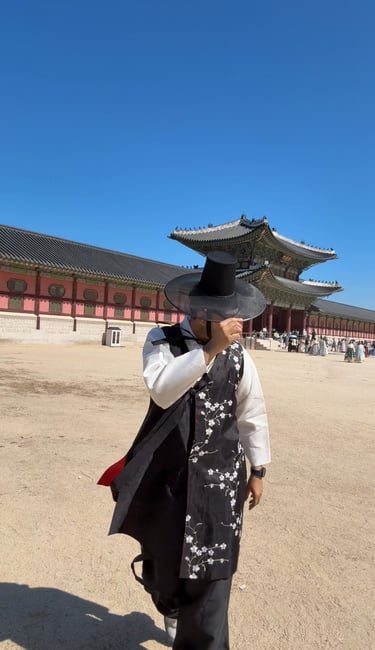
On the second day of your journey through Seoul, a deep dive into the city's rich history is both enlightening and engaging. Begin your exploration at Gyeongbokgung Palace, the largest and most iconic of the five grand palaces built during the Joseon Dynasty. This majestic site, with its huge gardens and impressive architecture, gives insights into Korean royal history. You can always book a guided tour if you are interested in knowing all the hidden facts but the tours might slow you down.
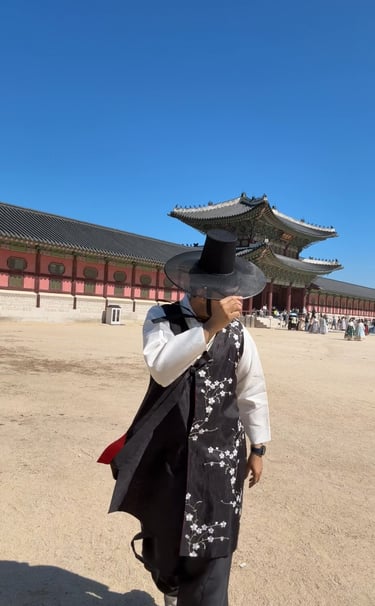
To feel like a Korean emperor, I recommend renting a
traditional Korean dress called "Hanbok" before you enter the
palace. You get it for free with Discover Seoul Pass.
Next, venture towards Bukchon Hanok Village, nestled between Gyeongbokgung and Changdeokgung Palaces. This traditional village, characterized by narrow streets lined with hanoks (traditional Korean houses), gives visitors an authentic look at Seoul's architectural heritage. Walking through the village, you can admire the beautifully preserved homes that date back to the Joseon period.
But, honestly, Bukchon Hanok was overcrowded with tourists and I could enjoy the vibe because of the busy streets. But don't worry, I found an alternate hidden gem-Ihwa Mural Village in Seoul that art and culture enthusiasts should not miss. Situated on a hilltop, this picturesque village offers stunning views, especially at night when the moon graces the sky. Unlike the more touristy Hanok Village, Ihwa Mural Village is less crowded, allowing visitors to fully appreciate its charm. In the early 2000s, a group of artists transformed the village by painting vibrant murals that now grace the walls, breathing new life into the area that was once slated for demolition. This artistic revival has made Ihwa a special attraction, embodying the spirit of creativity and community.
After a day filled with historical exploration, it’s time to indulge in some traditional Korean cuisine. Head to Insadong, where traditional tea houses and restaurants abound. Here, you can savor classic dishes such as bibimbap or bulgogi, which are not only delicious but also simple representations of Korean culinary heritage. Pair your meal with traditional drinks like makgeolli or dandelion tea at a local cafe. The combination of rich history and delightful cuisine ensures that your second day in Seoul is both unforgettable and fulfilling.
Day 3: Modern Seoul and Shopping Extravaganza
Day three of your itinerary highlights the remarkable juxtaposition of tradition and modernity found in Seoul, particularly through a visit to the bustling districts of Myeongdong and Gangnam. These areas epitomize the city's dynamic urban landscape, offering a diverse spectrum of shopping experiences that cater to all preferences and budgets.
Myeongdong, famous for its vibrant street market atmosphere, is ideally situated for those seeking a firsthand experience of Seoul's street food culture. You can sample a variety of culinary delights, including tteokbokki (spicy rice cakes), hotteok (sweet pancakes), and the ever-popular Korean fried chicken. This district’s ambiance is lively, making it a perfect spot to enjoy the city's street food while engaging with friendly vendors and fellow tourists.
In stark contrast, Gangnam reflects Seoul's upscale shopping scene with its high-end fashion labels. The Gangnam Style phenomenon has further solidified its status as a destination for trendy investments in fashion, beauty, and lifestyle products. A stroll down Gangnam Boulevard has some of the district's sleek architectural marvels, creating a unique shopping experience. You will find plenty of places for a perfect photoshoot. The famous Gangnam Style statue has become a vibrant symbol of the district and a must-visit attraction for tourists in Gangnam. Visitors are drawn to this iconic landmark, where they gather to dance to the banger song as they line up for videos. The lively atmosphere and the backdrop of the modern cityscape make it an unforgettable spot, perfectly embodying the spirit of Gangnam. It's a perfect place to sit and relax your sore legs.
Not too far from this place, is the viral "Starfield Library".The Star Field Library is a unique gem located within a shopping mall, standing out for its vibrant atmosphere where silence is not a requirement. Unlike traditional libraries, the lively buzz of conversation and laughter fills the air, creating an inviting environment for tourists. Towering walls lined with an extensive collection of books enhance the library's stunning aesthetic, making it a perfect backdrop for pictures. I noticed more tourists, just like myself, than actual readers trying to study. This, surely, is an unconventional library experience that blends the joy of literature with the excitement of exploration, making it a must-visit for everyone.
The nightlife in both Myeongdong and Gangnam adds another layer to the day's journey, with a variety of stylish bars and clubs catering to a youthful crowd. The contrast between the traditional street markets and modern shopping malls, combined with the energetic nightlife, truly exemplifies the fusion of cultures that defines contemporary Seoul.
Day 4: Leisure and Local Village Experience
On the final day of your itinerary in Seoul, you will be extremely exhausted but you would want to make the most of it. I recommend starting your day early and immersing yourself in a relaxing exploration of the city’s lesser-known treasures. Begin your day with a visit to Namsangol Hanok Village, a peaceful spot that shows traditional Korean houses, known as Hanok. This beautifully preserved village offers an intimate look into Korea’s rich heritage, highlighting the architectural prowess and cultural practices from the past. Wandering through these historical structures will provide insight into the traditional Korean lifestyle.
After enjoying the village, consider a leisurely bicycle ride along the Han River. This iconic river flows through the heart of the city, bordered by scenic parks that are perfect for enjoying nature and the outdoors. Renting bicycles is a popular option, allowing you to explore at a comfortable pace while taking in the picturesque views of Seoul’s skyline and the serene riverbanks. Alternatively, footpaths are available for those who prefer strolling while capturing the ambiance of local life.
If you're looking for a fun-filled way to spend a few hours away from history and culture, consider visiting Lotte World. This vibrant amusement park offers a variety of exhilarating rides and engaging activities for all ages. With the Discover Seoul Pass, you'll have access to a range of rides within the park and have an adventure-packed day. However, be prepared to stand in line for some time to get your favorite ride.
Your next destination should be Naksan Fortress Trail. You can visit this place on any day or more than one time because you would not be bored of the scenery. As you stroll along the trail, you can enjoy breathtaking panoramic views of the city and the surrounding landscape, especially beautiful at sunrise or sunset. It is a captivating historical pathway that encircles the ancient city of Seoul, extending approximately 20 kilometers. Originally built in the late 14th century during the Joseon Dynasty to protect the city, the fortress walls give you a glimpse into Korea's rich past. The Naksan Fortress Trail is not just a hike; it’s a journey through time, blending natural beauty and cultural heritage.
As my South Korean expedition came to a close, the Naksan Fortress Trail greeted me with a breathtaking sunset. The sun dipped below the horizon, casting vibrant hues across the sky, while the city of Seoul began to sparkle as night approached. I took a moment to relax and soak in the picturesque view, allowing the beauty of the scene to inspire my further travel plans and new ideas for my blog. Surrounded by the serene atmosphere and the whispers of history from the ancient fortress, I felt a sense of peace and fulfillment, knowing that this experience would stay with me long after I left. It was the perfect ending to an unforgettable journey, reminding me of the magic that travel can bring.
Culinary Adventures: Food You Can't-Miss
To truly experience the essence of Korea, you must indulge in its dining traditions, where every meal tells a story. The bustling streets and refined restaurants serve a delectable spectrum of flavors that elevate any visit. Korean cuisine is distinguished by its unique ingredients and cooking methods, creating iconic dishes that you simply cannot miss.
One of the most beloved dishes and my personal favorite is Bibimbap, a colorful rice bowl topped with a variety of vegetables, meats, and a fried egg, all drizzled with gochujang (a spicy red pepper paste). The dish not only tantalizes the taste buds but also represents harmony, mirroring the balance of flavors found in Korean culture. For an authentic bibimbap experience, visit Gogung, located in the historic district of Myeongdong.
Another popular dish that I did not personally try is Bulgogi. I tried talking with the chefs to learn more about the dish. Bulgogi, marinated beef that is grilled to perfection, is known for its smoky flavor and tenderness. Often served with lettuce wraps and a selection of side dishes, this meal depicts the communal aspect of dining in Korea. Maple Tree House in Itaewon provides an excellent setting for savoring bulgogi while enjoying the ambiance of traditional Korean décor.
No culinary journey would be complete without Kimchi, a fermented vegetable dish that varies widely throughout the country. It typically accompanies most meals, highlighting the significance of fermentation in Korean cuisine. To dive deeper into kimchi culture, head to Korean BBQ restaurants, where you can sample various types of homemade kimchi as part of your meal.
Street food stalls are another essential component of the Seoul food scene. From Tteokbokki (spicy rice cakes) to Hotteok (sweet pancakes), these delightful snacks provide a casual yet unforgettable taste of Korean flavors. Places like Gwangjang Market offer a bustling atmosphere where food enthusiasts can savor these experiences side by side with locals and tourists alike.
For me, the food in Seoul is not just about what is on your plate; it embodies the heart of Korean hospitality and community. Every meal reflects the passion and pride Koreans have in their culinary heritage, making it an essential part of your trip.
***Hidden Gem Alert***
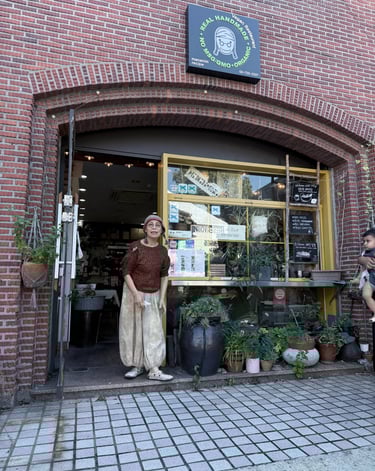
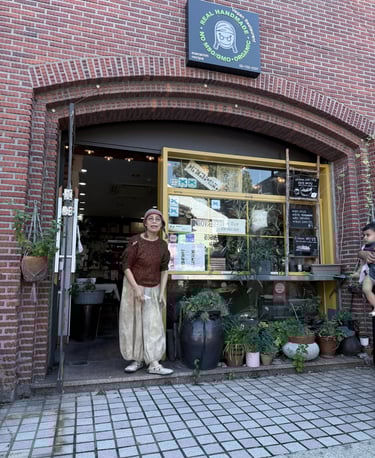
In South Korea, you'll quickly realize that the vibrant street food culture is a cornerstone of local life, with an abundance of mouthwatering non-vegetarian options. However, for vegans and vegetarians seeking a delightful alternative, there's a hidden gem awaiting discovery: Mananim Recipe Restaurant, just 10 minute's walk from the Gyeongbokgung Palace This cozy restaurant is a haven for plant-based eaters, where every vegan dish is crafted from scratch with love and care. The friendly owner, who has dedicated 25 years to running the restaurant single-handedly, ensures that each meal is not only delicious but also prepared with a focus on quality ingredients. So if you're in the mood for a nourishing break from the typical fare, Mananim promises a memorable dining experience that celebrates the rich flavors of vegan cuisine while showcasing the warmth of Korean hospitality. I promised the beautiful owner that I would surely write about her.
Some Personal Tips :
Traveling in Seoul can be an exhilarating experience, enhanced by the city’s efficient public transportation system, vibrant culture, and rich history. An essential starting point as a newcomer is to familiarize yourself with the extensive subway system.
Language barriers may pose a challenge; however, you need not worry. Mobile apps like Google Translate and Papago can be life-savers. Many Koreans, especially the younger generation, are increasingly proficient in English, making it easier to seek assistance if needed. I got lost so many times. But who minds being rescued by some gorgeous Korean women? When inquiring about directions or recommendations, a friendly demeanor always helps in bridging any communication gap.
Cultural etiquette is another important aspect of traveling in Seoul. Politeness is highly valued in Korean society. A simple bow or a nod when greeting locals can showcase respect and appreciation for their customs. When dining, wait until everyone is served, and it is considered polite to lift one’s glass when toasting, typically signaling "Cheers!" by saying "Geonbae." It is also essential to remember to remove your shoes when entering someone’s home or certain traditional accommodations.
Travelers should also be aware of emergency contacts and local customs. It is advisable to keep a list of important numbers, including that of local authorities, hospitals, and the nearest embassy. The emergency number for police assistance in South Korea is 112, while 119 is for fire and ambulance services. With these tips in mind, you can confidently navigate the remarkable city of Seoul, ensuring a memorable and enjoyable experience.
Conclusion :
In conclusion, crafting this article proved to be a challenge as there was an abundance of experiences and insights to share, all while striving to maintain clarity and conciseness. However, this piece will serve as a reliable resource on my blog whenever you wish to embark on your own expedition to Seoul. Should you have any questions or require a more personalized discussion regarding the entirety of the journey, feel free to reach out—I'm just an email away. Wishing you happy travels and unforgettable adventures!